- pedrera@cx.edu.gt
- 502 3997 6461
- Office hours: 8:00 AM to 5:00 PM.
Lorem ipsum dolor sit amet, consectetur adipiscing elit. Ut elit tellus, luctus nec ullamcorper mattis, pulvinar dapibus leo.
The La Pedrera community is composed primarily of indigenous Mayan people, mostly women and children, who were displaced by the Guatemalan Civil War. During the war they migrated there from their ancestral homes in the rural Western Highlands looking for work and hoping to better their lives. In Spanish “la pedrera” means the quarry. The village of La Pedrera is located at the edge of an rock quarry in the hills overlooking Quetzaltenango.
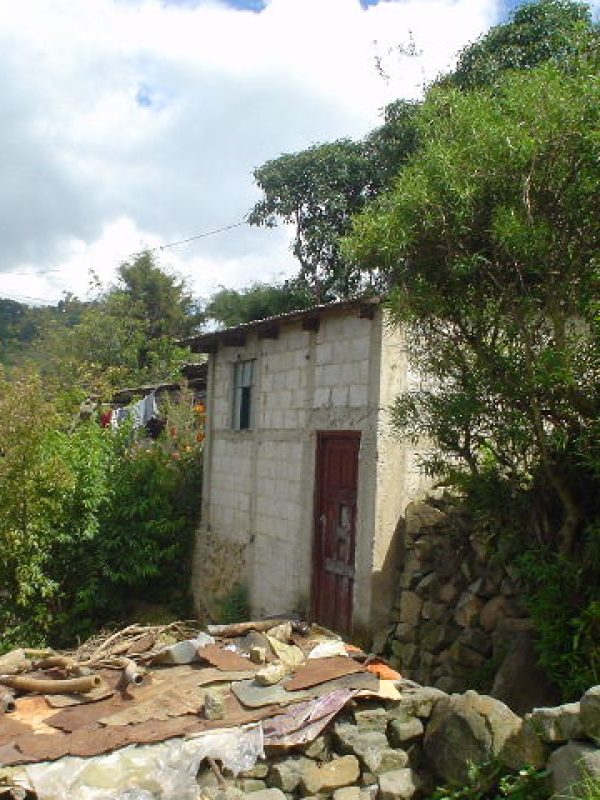
Most of the adults speak the indigenous language k’iche’ as their mother tongue, while their children often only speak Spanish fluently. Lacking education, the people of La Pedrera have access to employment only in domestic and physical labor. These low-paying jobs provide barely enough income for crude shelter and a little food, leaving families unable to afford the expenses of sending their children to public schools. Children as young as six years old often join their parents and relatives working in the fields. The families of La Pedrera live with limited electricity and without running water. Their homes have earthen floors, and in most cases only two rooms to shelter extended families of up to twenty people.
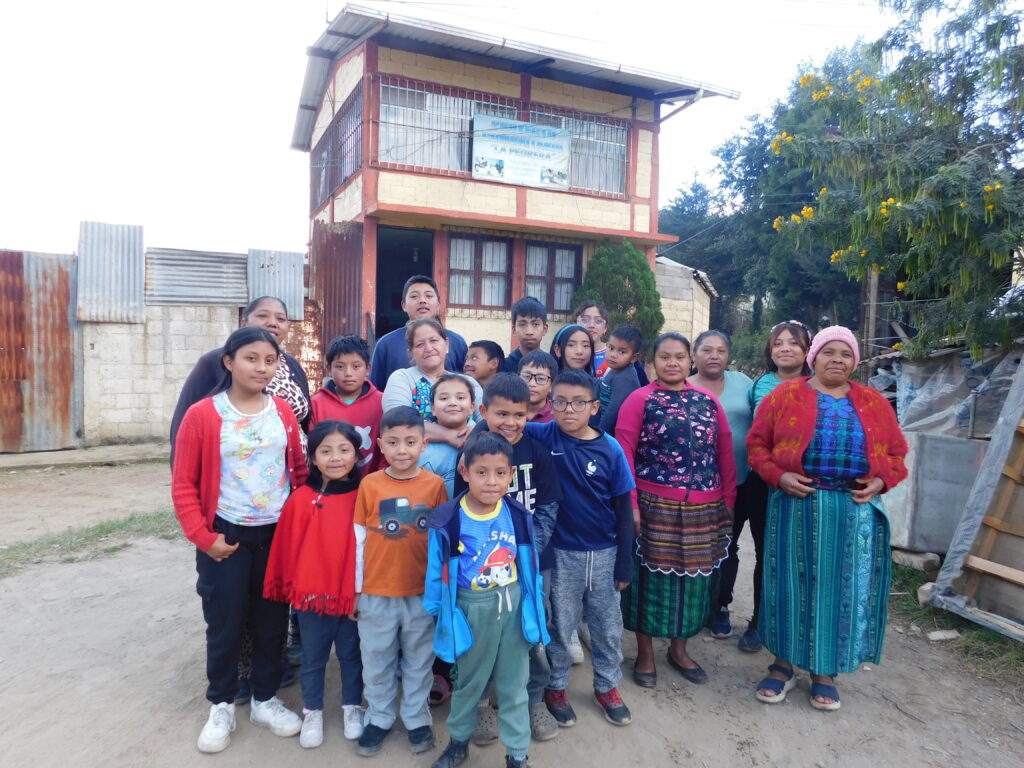
A typical sheet metal house in the La Pedrera village
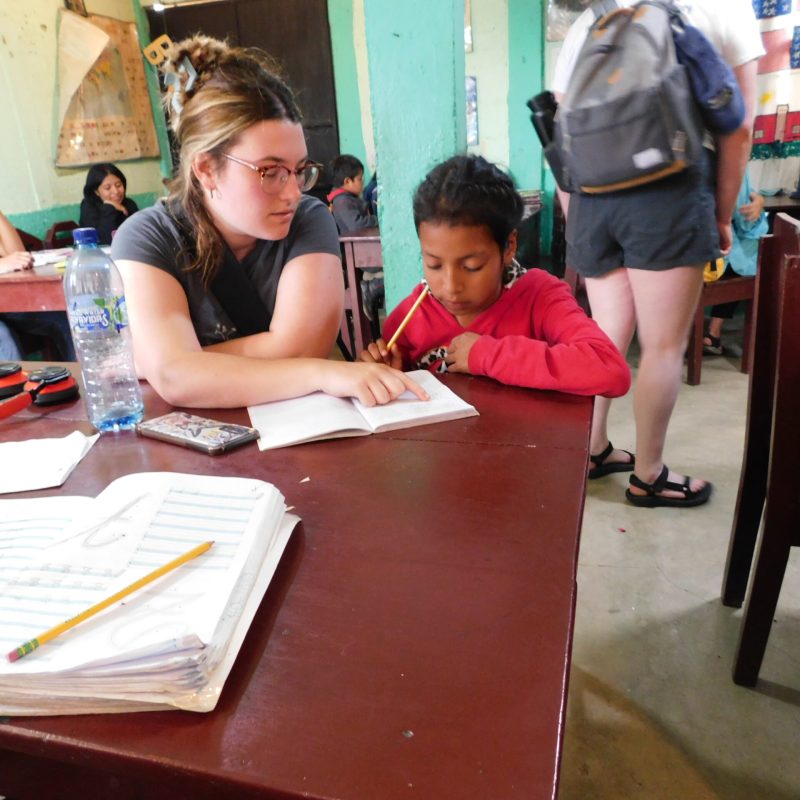
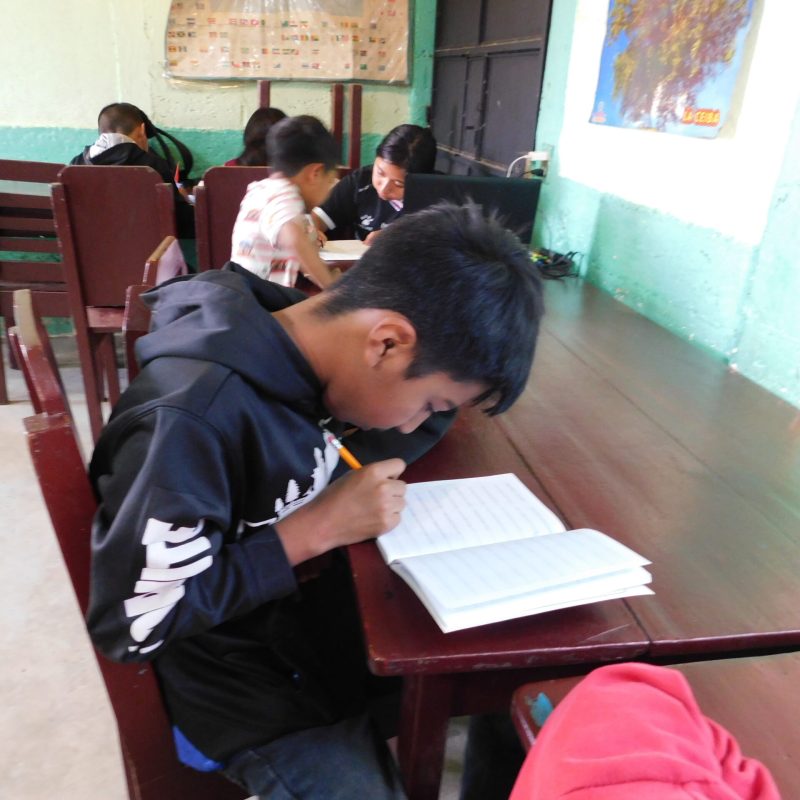
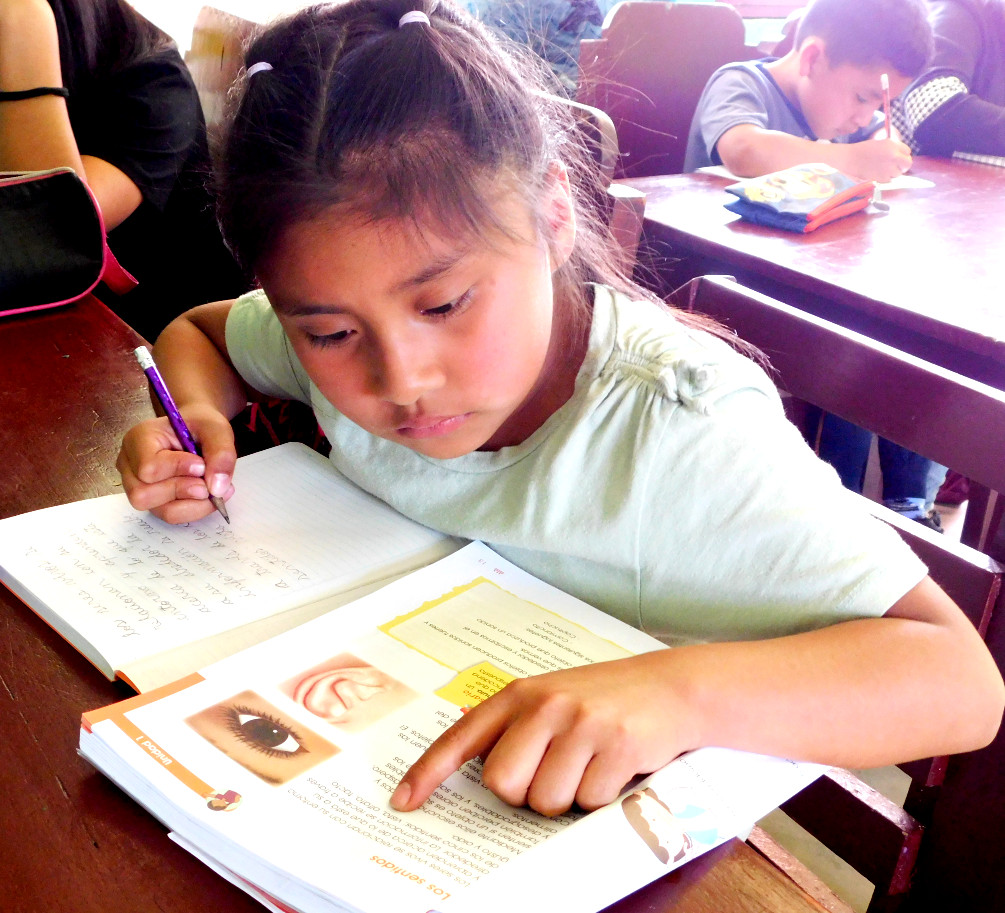
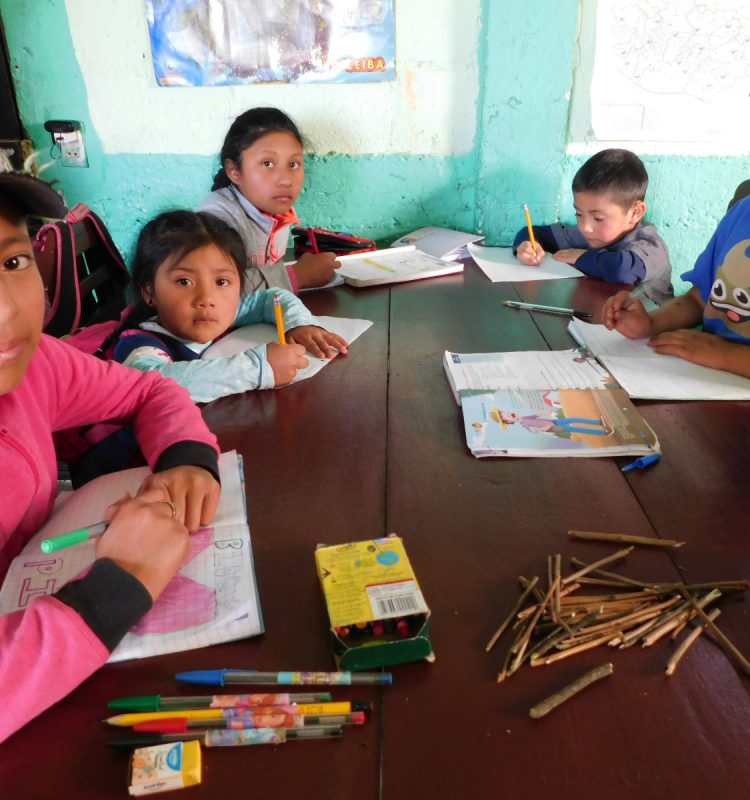
The school at La Pedrera was opened in 1995 with 13 students. It is sponsored and supported by Casa Xelaju (a Spanish language school in Quetzaltenango) and serves the poorest area of a very poor country. Casa Xelaju assists the school by supplying a teacher and the tools necessary to improve education for the children in La Pedrera. These efforts have had a profound effect on the community.
The school offers two programs:
1) A sponsorship program that enables children, who otherwise would not be able to afford it, to attend public schools.
2) Educational reinforcement classes that are held five days a week, Monday- Friday, in the afternoons from 3:30-6:00 pm.
Children who have sponsors go to school in the mornings and attend reinforcement classes in the afternoon. Those without sponsors depend solely on the reinforcement classes for their total education. There are about 100 children in the La Pedrera community. Currently 40 students have sponsors.
Sunday - Monday
The Guatemalan Civil War began in 1960 as a grassroots effort by the majority poor in Guatemala to protest poverty, oppression, and foreign corporations taking the land of indigenous farmers. The war was fought between guerilla insurgent groups and the military-controlled Guatemalan government (aided by the U.S. government). The fighting lasted for thirty-six years (1960-1996) and claimed approximately 200,000 lives. It was marked by bloody violence, restrictions of civil freedoms, ethnic persecution, torture, kidnapping, wholesale massacres, murder of civilians, and the “disappearance” of 40,000-50,000 people.
The long civil war ultimately ended with a peace accord, but it left the county war torn and devastated. It took a severe toll on Mayan families living in the rural Western Highlands. The vast majority of the dead or missing were indigenous Mayans who bore the brunt of the Guatemalan military’s violence. More than a million people were displaced from their land, families were broken and destroyed, and they were driven into poverty. The land stolen from native farmers had been reapportioned and surviving Mayans were left without any means of support.
On The Web: Wikipedia The Student Pulse
Books:
Silence on the Mountain: Stories of Terror, Betrayal, and Forgetting in Guatemala. Daniel Wilkinson
Bitter Fruit: The Story of the American Coup in Guatemala. Stephen C. Schlesinger
Paradise in Ashes – A Guatemalan Journey of Courage, Terror, and Hope. Beatriz Manz